

Radio Electronics for Amateur Radio Operators - Antennas and Propagation: From Atoms to Antennas™
Product details
| Management number | 233367538 | Release Date | 2026/06/27 | List Price | US$16.00 | Model Number | 233367538 | ||
|---|---|---|---|---|---|---|---|---|---|
| Category | |||||||||
Master the science of antennas and radio wave propagation with Volume 4 of the Radio Electronics Course for Amateur Radio Operators — the most comprehensive electronics training series written specifically for the amateur radio community.Antennas are the one component that separates a good station from a great one. No matter how capable your transceiver, no matter how carefully you have built your shack, the antenna is where your signal meets the world. Volume 4 takes you deep into the theory and practice of antennas and propagation, building on the foundation established in Volumes 1 through 3 and giving you the knowledge to make informed decisions about every antenna you build, buy, or troubleshoot.This volume opens with antenna fundamentals — what an antenna actually does, how it converts electrical energy into electromagnetic waves, and why antenna length, feedpoint impedance, and radiation patterns matter. You will learn how the half-wave dipole works from first principles, why it remains the benchmark against which every other antenna design is measured, and how its behavior changes when you move it closer to or further from the ground.From the dipole, the course expands outward into the full range of antenna types used in amateur radio. Vertical antennas, ground plane requirements, and radial systems are covered in depth. You will learn how beam antennas — Yagi, quad, and log periodic designs — achieve directional gain, how to read and interpret antenna radiation patterns, and what front-to-back ratio means for real-world operating. Magnetic loop antennas, portable and emergency antennas, and multiband designs each receive dedicated treatment with practical guidance alongside the theory.Feed lines are covered with the same depth as the antennas themselves. Coaxial cable loss, velocity factor, and characteristic impedance are explained from first principles. You will understand why the wrong feed line can undo the performance of an excellent antenna, how to calculate and minimize feed line loss across the HF, VHF, and UHF bands, and when open-wire ladder line offers a significant advantage over coax.Standing wave ratio is one of the most misunderstood concepts in amateur radio, and this volume clears up the confusion completely. You will learn what SWR actually measures, why a high SWR at the antenna is a different problem from a high SWR at the transmitter, how antenna tuners work and what they can and cannot fix, and how to use an SWR meter and antenna analyzer to diagnose and correct feed system problems with confidence.The propagation section of this volume is equally thorough. Radio wave propagation determines where your signal goes and who can hear you, and understanding it transforms the way you operate. The course covers ground wave, sky wave, and line-of-sight propagation modes in detail. The ionosphere — its layers, its daily and seasonal behavior, and its response to the solar cycle — is explained clearly and connected directly to practical operating on the HF bands. You will understand why 40 meters performs differently at noon versus midnight, why 10 meters can be dead for years and then suddenly open to the world, and how to read propagation forecasts and solar indices to predict band conditions before you transmit.VHF and UHF propagation receive dedicated coverage including tropospheric ducting, sporadic E, aurora, and meteor scatter — modes that allow VHF operators to work extraordinary distances under the right conditions. Satellite communication fundamentals and the unique propagation challenges of working through amateur satellites round out the propagation material.Throughout every chapter, theory is connected to the real world of amateur radio operating and station building. Worked numerical examples use realistic values drawn from actual antenna designs and operating scenarios. Practical experiments reinforce every major concept. Read more
| ASIN | B0H4TVMP13 |
|---|---|
| ISBN13 | 979-8181068667 |
| Language | English |
| Publisher | Independently published |
| Dimensions | 8.5 x 1.06 x 11 inches |
| Book 4 of 4 | Radio Electronics for Amateur Radio Operators |
| Item Weight | 2.91 pounds |
| Print length | 467 pages |
| Publication date | June 11, 2026 |
Bestseller ranking
Antennas


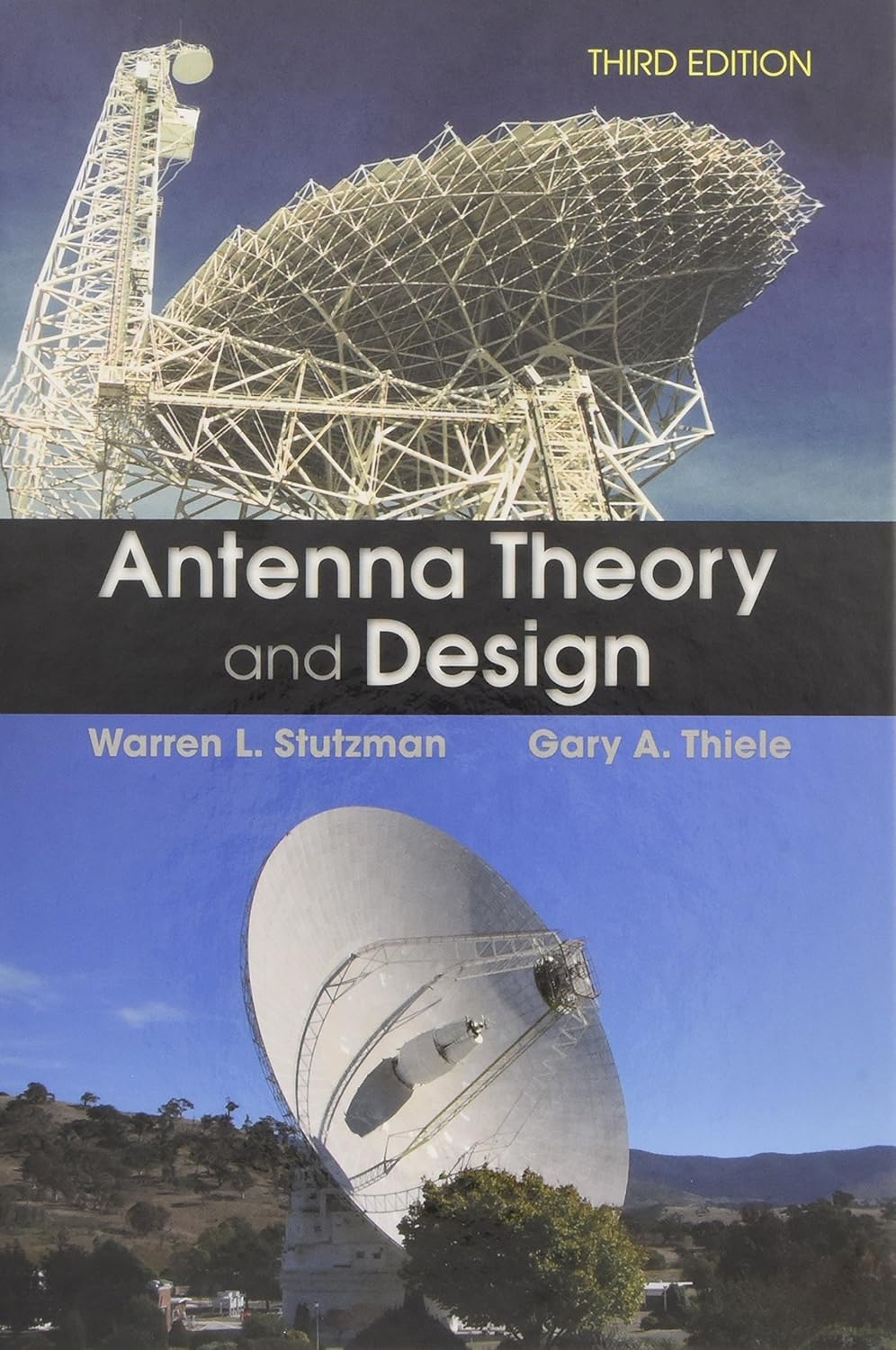
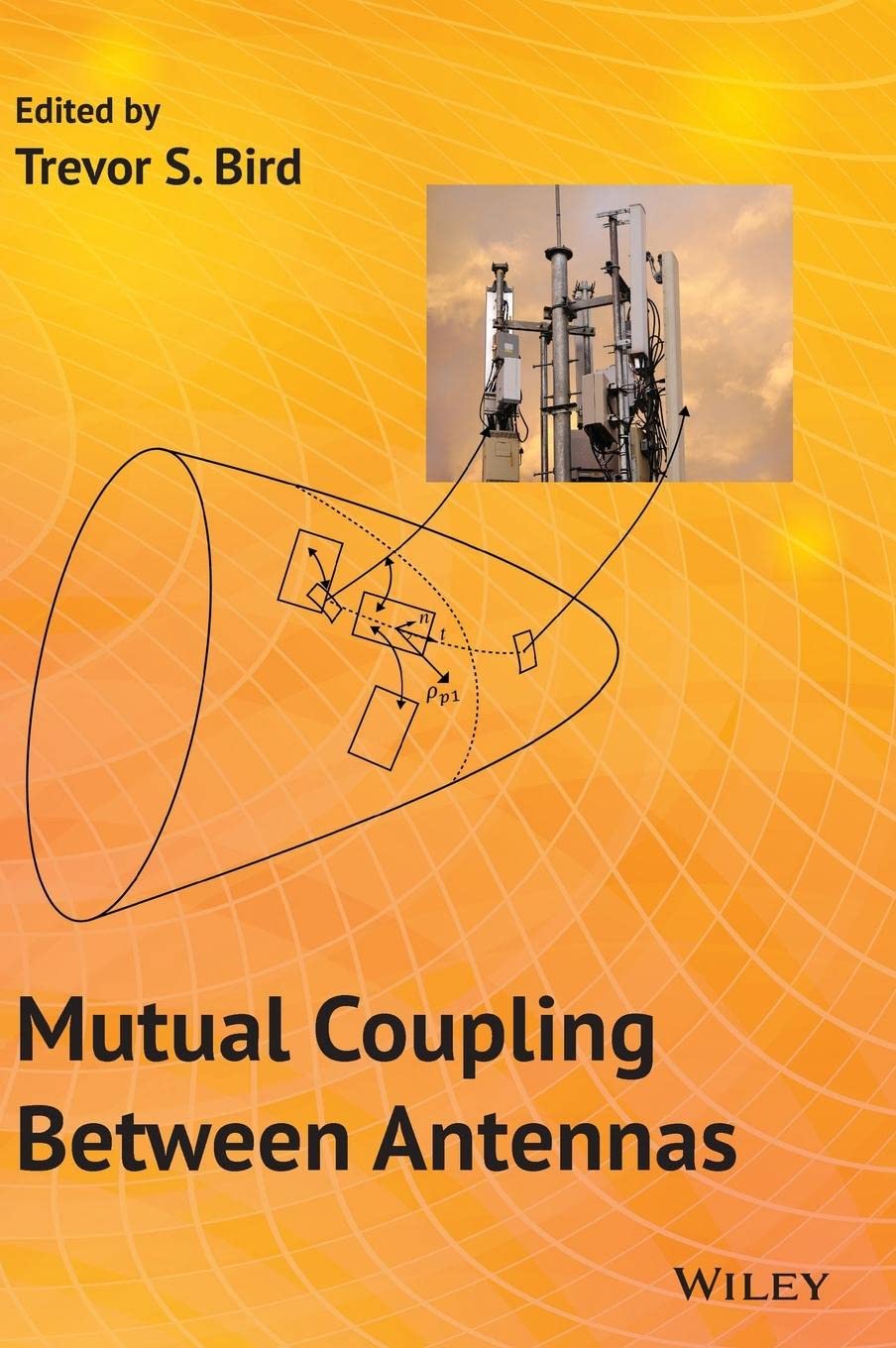

Correction of product information
If you notice any omissions or errors in the product information on this page, please use the correction request form below.
Correction Request Form